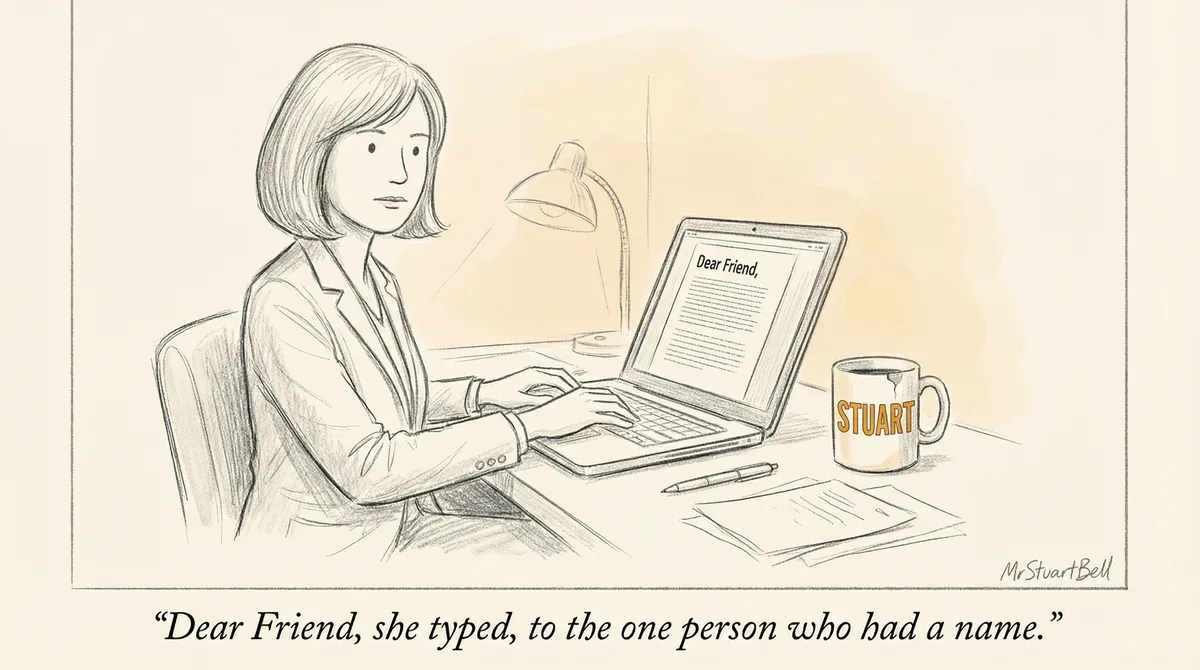
You might have a great message to share with your list, but writing email like a company is killing people's connection with you and stopping any conversation.
I received two emails yesterday from companies about products they have back in stock. I've been on both lists for years. Both companies have my name. But the first message subject was "Company is pleased to announce Product X is available for immediate orders" with the email starting "Dear Friend." The second: "Product X, back in stock!" and "Hi Stuart."
You can imagine the tone of each email from there. I now know the products are available, but the first message did nothing to engage me or build rapport. It killed the connection.
Small business is personal. And if your emails don't sound like a person, you're losing the one advantage you have over the big players.
Why It Matters More for Small Business
For small businesses where people connect with you personally, or those with local clients, the need to stay connected with real people is even greater. Your emails are competing with every corporate blast in their inbox. The only way you win is by not sounding like one.